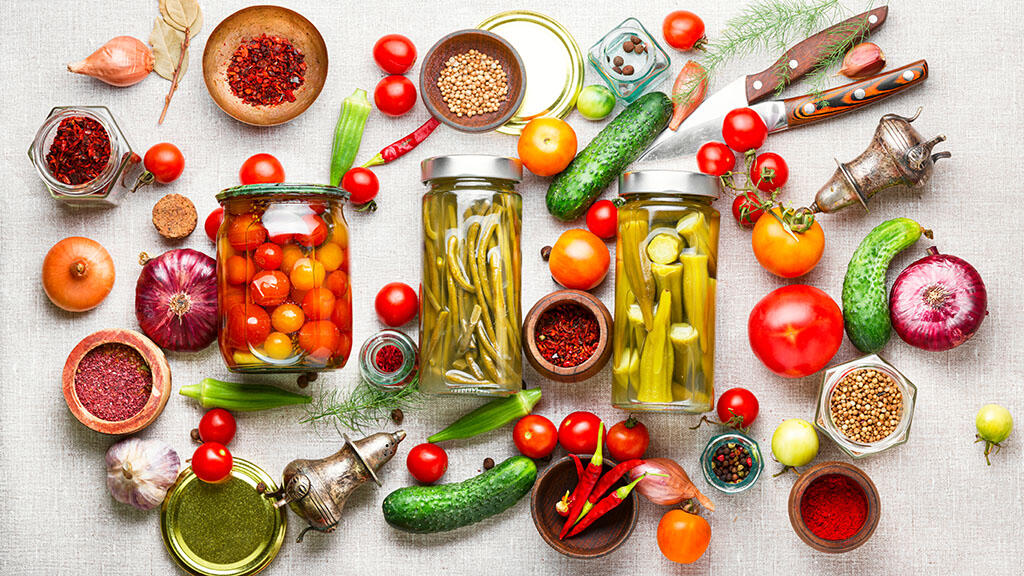
Pantries are probably the biggest upgrades you can get for your home cooking -- more impactful than any new knife, pan, or gadget. When your pantry has all the essentials, you can go into the kitchen with no plan and create something good. There are 30 common ingredients that working professionals and experienced home cooks consistently use every day. Collectively, these 30 ingredients provide a solid base for creating hundreds of different meals across many cuisines.
How a Well Planned-Out Pantry Makes All the Difference
Typically people stock their pantry as needed; purchase ingredients for one recipe and forget about them until later. A well planned-out pantry operates differently. Every product in the pantry has earned its space by providing value across multiple uses and various dishes. For example, a can of coconut milk is great for making Thai Curry on Monday evening and Rice Pudding on Friday night. Fish sauce is not only great for adding flavor to a Vietnamese noodle soup, it can also be used as a basis for a vinaigrette. Because the products in a pantry operate across recipes, your time spent preparing meals will decrease, your costs will decrease, and your creativity will increase.
Below are the 30 essential pantry items grouped into six categories. Stock each category slowly – you do not have to purchase all 30 items at one time. Begin with those items that relate to the type of cooking you currently perform, then start purchasing additional items.
Fats & Oils
The fat component in fats & oils carry flavor and facilitate browning, ultimately contributing to the base of nearly all savory dishes. To begin building your pantry, you should have at least two types of fats/oils: one neutral-tasting oil for high-heat cooking and one flavorful oil for finishing.
- 1. Olive Oil: Extra virgin olive oil (EVOO) is likely the most versatile fat found in most kitchens. EVOO is perfect for sautéing aromatics, making salad dressings, finishing pasta, drizzling over soup and more. Choose a middle-tier priced EVOO – you don’t have to spend top dollar for it, however cheap olive oil tends to taste dull and may contain added ingredients.
- 2. Neutral Cooking Oil: Neutral-tasting oils such as sunflower oil, canola oil and grapeseed oil are perfect for high-heat cooking methods such as frying, searing, stir-frying etc., since olive oil’s low smoke point and robust flavor will negatively impact your cooking experience. Sunflower oil is typically the most accessible and affordable option.
- 3. Unsalted Butter: Using unsalted butter allows you to season to your liking. Use butter when sautéing, making pan sauces, baking and finishing dishes with richness. Swirling cold butter into a hot sauce at the very end of cooking is a trick that takes advantage of cooking’s magic.
- 4. Toasted Sesame Oil: Don’t ever cook with toasted sesame oil – it will lose its fragrance due to heat. Instead, drizzle it over noodles, stir-fries, soups etc. near the end of cooking so you retain the aroma of the toasted sesame seeds. A little goes a long way!
Acidity
Many people overlook using acidity when cooking. When a dish tastes “almost right” but seems dull or flat, chances are the solution is simply acidity – not salt. Acidic elements enhance flavors, counteract rich textures and cause all other ingredients to taste more themselves.
- 5. Red Wine Vinegar: Red wine vinegar is generally sharper and more complex than white vinegar. Use red wine vinegar to make vinaigrettes, marinating meats and vegetables, deglazing pans and quick pickling vegetables. One of the most frequently used bottles in any serious kitchen.
- 6. White Wine Vinegar: White wine vinegar is generally milder and less intense than red wine vinegar. Use white wine vinegar whenever you desire acidity without color – i.e. creamy sauces, potato salads, light vinaigrettes.
- 7. Balsamic Vinegar: Balsamic vinegar is sweet and syrupy with a unique complexity. Drizzle balsamic vinegar over roasted vegetables, caprese salads, fruit or reduce it down to a glaze for meat. Even a less expensive bottle will work for cooking purposes.
- 8. Soy Sauce: While technically an element of salt and umami in nature, soy sauce contains some fermented acidic properties that act similarly to acids in balance. Use soy sauce to make marinades, stir-fries, dressings and braising liquids. Both Japanese soy sauce (shoyu) and Chinese soy sauce are worthwhile investments – Japanese soy sauce is lighter in color and less salty than Chinese varieties.
- 9. Fresh Lemons/Limes: As mentioned previously, while technically a product of the garden vs. pantry items, fresh lemons/limes are so integral to our cooking style that we treat them as pantry staples. Store at least two lemons in your house at all times. Adding a squeeze of fresh lemon juice to almost any savory or sweet dish transforms its overall character.
Salts/Seasoning
- 10. Kosher Salt/Flaky Sea Salt: Kosher salt has a coarser texture than regular salt allowing you to easily control how much salt you add to a dish; hence many professional chefs prefer kosher salt exclusively. Flaky sea salt (such as Maldon) should only be used to finish off a dish – the sensation of eating flaky sea salt sprinkled on top of a dish creates a sensory experience that fine table salt cannot replicate.
- 11. Ground Black Pepper: Freshly ground black pepper loses its aromatic properties quickly after grinding. Purchase whole peppercorns instead and grind them yourself as needed. The flavor difference is instantaneous.
- 12. Smoked Paprika: Smoked paprika is likely one of the most flavorful efficient spice available in any market today. In addition to imparting smokiness to foods; smoked paprika also enhances their depth and imparts a beautiful red hue to eggs, roasted vegetables, stews, rice dishes, and meat rubs. Spanish smoked paprika (pimentón) is considered the gold standard.
- 13. Ground Cumin: Earthy, warm and slightly citrus flavored cumin is fundamental in Mexican/Middle Eastern/Indian/North African cuisine. Heat cumin in hot oil for 30 seconds before adding other ingredients to bring out its full potential.
- 14. Dried Red Chili Flakes: Dried chili flakes are an instant controllable source of heat applicable across most cuisines. Add dried chili flakes early in cooking to integrate heat into a dish or sprinkle them on top at the end to achieve a stronger spicy bite.
- 15. Dried Oregano: In terms of dried herbs compared to fresh herbs; dried oregano is arguably the best option – maybe even better. Oregano is necessary for Italian/Greek/Mexican dishes; rub dried oregano between your hands prior to adding it to a dish to release its oils.
- 16. Bay Leaves: Bay leaves quietly contribute to numerous dishes that are slow-cooked – soups/stews/braises/stocks; bay leaves add a subtle herbal flavor missing from many dishes when removed prior to serving.
Canned/Jarred Products
Canned/jarred products represent one of the most undervalued resources in your pantry. Quality canned tomatoes or beans may offer advantages over fresh products purchased outside of season – they’re readily available year round at a significant discount.
- 17. Canned Whole Peeled Tomatoes: Of all canned products in your pantry; canned whole peeled tomatoes are likely the most important product you’ll own. Utilize canned whole peeled tomatoes for pasta sauces/soups/braises/shakshuka/curry/chili etc.; San Marzano tomatoes from Italy are considered the gold standard for canned tomatoes – their lower acidity and higher flesh-to-seed ratio provide superior flavor compared to other brands.
- 18. Canned Chick Peas: Chick peas are extremely versatile/protein rich/easy to prepare (in seconds). Roast chick peas for snacking/blending chick peas for hummus/tossing chick peas into soups/frying chick peas with aromatics/spices for quick weeknight dinners.
- 19. Full-Fat Canned Coconut Milk: Coconut milk provides the foundation for numerous international dishes including Thai curries/Indian dals/Caribbean stews; full-fat coconut milk produces significantly better results than light versions when used in desserts/overnight oats/smoothies/etc.
- 20. Fish Sauce: Fish sauce is likely the most potent umami enhancer available in your pantry – a teaspoon added to nearly any savory dish – including non-Asian dishes such as bolognese/Caesar dressing – greatly enhances flavor without tasting "fishy". Do not omit it based on fear.
- 21. Dijon Mustard: Mustard functions as an emulsifier/dressing element/flavor enhancer in nearly every culinary application – whisk mustard into vinaigrettes/emulsion agents/marinades/sauces/coatings etc., spread mustard onto sandwich bread/marinade chicken prior to roasting etc.
- 22. Tomato Paste: Tomato paste offers intensely concentrated tomato flavor at an extremely compact volume. Before adding liquid or other ingredients to tomato paste; toast it lightly in oil for two minutes; this process removes rawness from the tomato paste and increases its sweetness/umami characteristics; a spoonful of tomato paste added to a stew provides equivalent depth as several hours of slow-cooking.
Grains/Legumes/Pasta
These three categories serve as the structure that supports most meals – what fills out your dishes with bulk and satisfaction; choose at least one representative from each category for inclusion in your pantry.
- 23. Pasta/Dried/Shapes: Purchase a minimum of three shapes: Spaghetti/Rigatoni/Penne – Spaghetti is perfect for olive-oil-based/pasta sauces/Tomato sauces while Rigatoni/Penne work perfectly for heartier/chunkier sauces etc.. Dried pasta stores indefinitely and cooks in under 12 minutes.
- 24. Long Grain White Rice/Short Grain Rice: Long grain rice is suitable for Pilaf/Fried rice/Side dishes while short grain rice is suitable for Risotto/Rice pudding etc..
- 25. Red Lentils: Among legumes/red lentils are particularly unique; requiring no soaking time and cooking in approximately 20-25 minutes; broken down into an incredibly rich creamy texture making them perfect additions to soups/Indian dal/thickening stews etc..
- 26. Dried Bread Crumbs/Panko: Japanese-style Panko bread crumbs are lighter and crisper than traditional bread crumbs; utilize Panko bread crumbs for coating proteins/grating cheese/topping gratins/pasta bakes etc./adding butter to bread crumbs as a crunchy topping on pasta/vegetables etc..
Flavor Enhancers/Aromatics
- 27. Fresh Garlic: Garlic is arguably one of the most influential ingredients in your pantry; raw garlic is pungent/sharp while slow-cooked garlic becomes sweet/mellow; roast garlic whole until soft/nutty/spreadable – purchase whole heads/garlic at room temperature; pre-minced jarred garlic lacks flavor/value/texture – it’s inferior!
- 28. Onions/Shallots: Onions/Shallots represent the aromatic base of virtually every savory cuisine on earth; yellow onions represent your primary onion resource while shallots are sweeter/deeper flavored – utilize shallots in vinaigrettes/pan sauces/dishes where you wish aromatic flavor without excessive heat.
- 29. Stocks/Cartons/Homemade Frozen: Stock represents liquid flavor – use it to deglaze/risottos/soups/braises/boiled grains etc.. Store cartons as emergency supplies and freeze homemade stock in ice cube trays for small quantities/convenience.
- 30. Honey: Honey provides more than just sweetness – it contributes floral notes that sugar cannot match; use honey as marinades/glazes/salad dressings/baked goods etc.. Additionally honey serves as an emulsifier aiding in protein browning during roasting.
Gradually Building Out Your Pantry
You won’t be able to purchase all 30 items at one time – construct your pantry around how you already cook! If you make pasta twice weekly; begin with the items related directly to pasta – i.e. canned tomatoes/Olive oil/Garlic/Dried Herbs etc.. If you cook Asian-type food regularly; purchase Japanese soy sauce/Fish sauce/Sesame oil/Cream coconut milk etc.. As each new item enters your pantry; it will multiply the variety of options available to you exponentially – not incrementally – due to the combination possibilities inherent in combining ingredients!