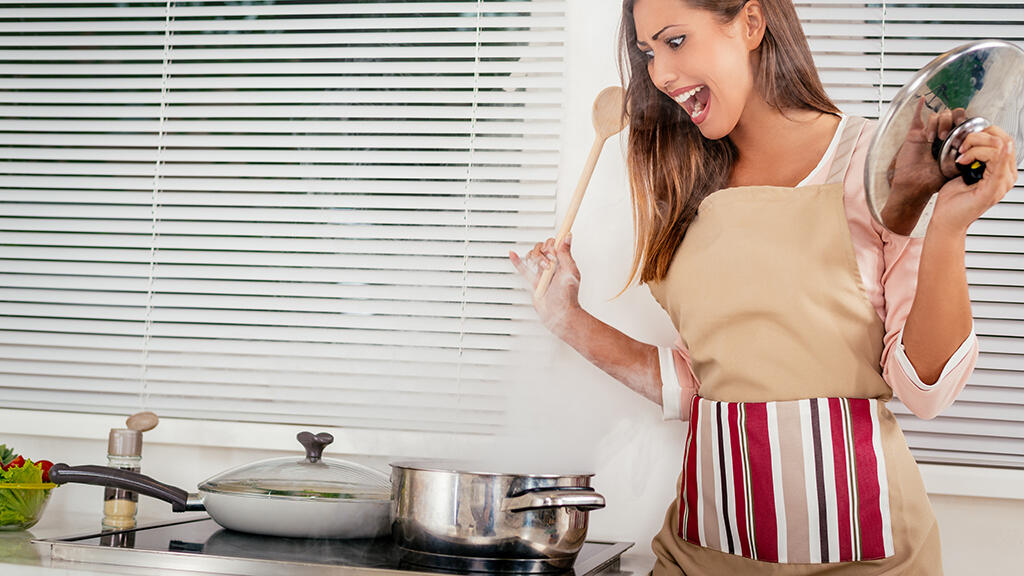
We all make mistakes while we cook. What sets apart a frustrated newbie from a confident seasoned pro is knowing which mistakes happen quickly and fixing them. Many common kitchen mistakes have quick, easy remedies that take only a few moments.
This article will cover the commonest kitchen mishaps most home cooks run into while their recipe is underway, give you straightforward answers to fix each mishap, and provide tips to help reduce wasted food and time spent in front of the stove guessing what went wrong.
Over-Salting – The Most Terrifying Mistake To Make
When it comes to panic-inducing mistakes made in the kitchen, nothing beats the shock of realizing you've over-salted your dish. While it seems like there’s little you can do about it, the truth is you’ve got more options than you might think to rectify an over-salted dish. Depending upon the severity of the over-salting and type of dish you’re making, you can use one of three methods to recover your dish:
Method #1: Add More Of Your Unsalted Ingredients
To fix an over-salted dish, your best bet is to use dilution: add more of your unsalted base ingredients. When cooking a soup or stew, add more water, unsalted stock, or additional vegetables and allow the dish to simmer longer to allow the flavors to meld. If you’re working with a sauce, simply add more of the unsalted liquid part of your dish such as cream, unsalted tomatoes or additional stock. Diluting helps the most when the over-salting was mild and not severe.
Methods #2 & 3: Add Fat, Acid Or Sweetness
Adding fat can mask the perception of saltiness without reducing it. Adding a tablespoon of butter, a dollop of sour cream or a splash of cream to an over-salted sauce will soften the aggressive saltiness and make the dish easier to eat. Lemon juice or a small amount of sugar will shift the overall flavor profile of your dish and make saltiness less dominant. Use these techniques as finishing touches after attempting dilution.
Many people have been told to add a raw potato to the pan to absorb excess salt. It’s largely a myth – raw potatoes absorb salty liquids in direct proportion to their volume. The real solution here is dilution, not the potato.
Burns and Scorched Layers
Everyone burns things in the kitchen. What matters is how quickly you react in the first second or two when you smell burning.
Remove Immediately—Don’t Stir
As soon as you notice scorching forming at the bottom of your pot, remove everything from the heat and pour it into another clean pot without scraping off the scorched layer. As long as you don’t stir anything in the pan and get it poured into another pot quickly, the good stuff above the burn usually remains intact and tastes great. This method prevents ruined soups, stews, rice dishes and sauces countless times every day – just act fast!
Removing Bitter Flavors
If some of the burnt flavor has infused into your dish, you can put a piece of white bread on top of your dish (do not stir it in), let it sit for a few minutes, and then discard it. Alternatively, placing half a raw onion inside your dish for 10–15 minutes and then discarding it will also help neutralize bitterness. Finally, adding a small amount of sugar or honey to your dish as a last-minute tweak will neutralize bitter flavors as well.
Thicker Than Desired Sauces and Soups
Diluting your thicker-than-desired sauce or soup is one of the simplest ways to restore it to its former glory. Simply add more liquid (stock, wine, water or cream based on your dish), slowly add it to your dish while continuously whisking on low heat. Once you have reached the desired consistency, season again as dilution will decrease both sodium content and thickness.
Under-Salted/Dull Tasting Dishes
Use The Levers Method To Work Through Your Options
Begin with salt. Sprinkle in a tiny bit of salt, stir it around for 30 seconds and taste. If your dish suddenly becomes brighter in terms of flavor, then your problem was indeed salt. If the dish still tastes flat, try adding an acidic ingredient (lemon juice, vinegar or yogurt). If the flavor seems harsh or one dimensional, it probably needs fat (butter, olive oil or cream). If it tastes dull and monotonous, adding a pinch of red pepper flakes will create contrast. Taste as you go along and add only one option at a time in small increments.
Savory Umami Enhancers
A missing element that's causing a savory dish to seem incomplete or bland is commonly due to lack of umami flavor. There are many items that are rich in umami including fish sauce, soy sauce, tomato paste or Worcestershire sauce. All of these ingredients contain strong umami flavor profiles yet contribute no identifiable flavor themselves. They're staples found in many professional restaurants that can be applied across wide variety of foods ranging from pasta sauces to slow cooked meats to vegetable soups.
Broken Cream-Based Sauces/Emulsions
Repairing A Broken Cream Sauce
A cream-based sauce breaks down when heated excessively or when cold cream rapidly meets an extremely hot surface. Remove the sauce from the heat source immediately and gently mix in a small amount of cold cream or water. Vigorous whisking can sometimes repair damaged emulsion. If repairing an emulsion fails, place the sauce in a blender and puree until smooth. Transfer the repaired sauce back to low heat and serve immediately.
Repairing A Broken Hollandaise/Mayonnaise-Type Sauce
For broken hollandaise or mayonnaise-type sauces, start fresh using an egg yolk in a clean bowl. Gradually whisk the broken sauce into the yolk in a steady flow -- just like creating it from scratch. The fresh lecithin will rebuild broken emulsion. Repairing hollandaise should be done on low heat; repairing mayonnaise should be done at room temperature.
Vegetables Cooked Too Long
It is impossible to reverse softening vegetables. However, turning over-cooked vegetables into other components is very creative and delicious. Broccoli cooked too long turns into a creamy green soup. Carrots cooked too long can be blended with butter and stock to produce a sweet and smooth purée. Green peas cooked too long can be turned into a bright-colored sauce for grilled fish or chicken. Onions and peppers cooked too long can be pureed into an incredible sauce base. Converting over-cooked vegetables into various forms can help eliminate waste in addition to giving you an opportunity to creatively express yourself in cooking.
Meat Cooked Too Long – Damage Control Only
While meat cooked too long cannot be restored to its original state (the moisture evaporates from muscle fibers during prolonged cooking cannot be absorbed back into those fibers), damage control is frequently achievable. Slicing over-cooked chicken or pork thinly allows you to coat each slice with sauce or broth that moistens it at the moment of consumption. Finely shredding over-cooked chicken creates numerous opportunities to incorporate shredded pieces into a sauce, soup or taco filling thereby masking dryness with coating sauce. Severely over-cooked meat can also be utilized as-is by converting it into something else altogether: for example, over-cooked roasted chicken can be transformed into chicken salad or chicken pot pie filling; over-cooked pork chops can be finely sliced and included in fried rice with additional sauce providing moisture.
Lumpy Sauces/Soups/Glazes
Most lumps occur when flour is added to boiling water without first dissolving it fully in cold water. Lumps disappear instantaneously when passed through a fine mesh strainer – press any remaining clumps against the strainer using a spoon – and results are perfectly smooth. Using an immersion blender directly in the pot is another quick way to destroy lumps instantly. Preventing lumps in your sauces/glazes from now on requires taking a couple of steps prior to heating: making sure your flour/cornstarch mixture is free flowing before adding it to boiling water by mixing flour/cornstarch with cold water to make a smooth paste; or cooking flour separately with fat to make a roux before adding it to hot liquids.
The Mindset That Saves Mistakes Made During Preparation
The primary factor that separates cooks who are able to correct mistakes made during preparation from those who are not lies in developing a single habit: constant tasting as you prepare and identifying problems early. An oversalted dish is fixable. A severely oversalted dish due to failure to taste throughout preparation is nearly impossible to fix. The same principle applies to burning/scorching/drying out/salt-free dishes — as long as you identify problems early on, there are more potential solutions available.
Think of every kitchen mistake as learning material instead of failure. Understanding why something goes wrong during preparation can convert frustration into actual cooking knowledge. It's not that inexperienced cooks never make mistakes; it's that those who develop skills quickest are those who consistently pay attention closely enough to find mistakes early on in preparation process, fix them calmly and remember what happened so they avoid repeating it later.