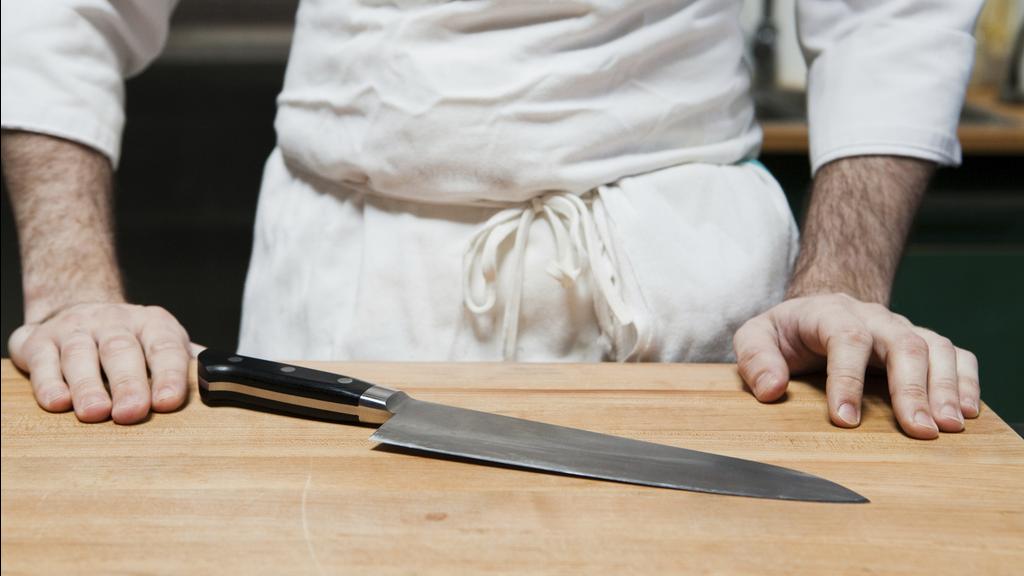
As cooks, whether casual weeknighters or passionate home chefs, we can benefit greatly from learning and applying just a few basic knife cuts. Many of us may be amazed at the difference a bit of attention to detail with our knives can make to our cooking. Each and every dish made with the proper knife cuts will not only have great flavors, but visually appealing presentations as well. In Today’s post, we’ll be covering 4 of the most useful and fundamental cuts to enhance your performance with ingredients: Dicing, julienning, Chiffonade, and brunoise.
Dicing
Of all the knife cuts we use in the kitchen (and there are many), Dicing is probably the most versatile and most frequently used. Cutting an item into uniform cubical shapes creates equal-sized pieces and contributes to uniform cooking and consistency in your final product.
Why dice?
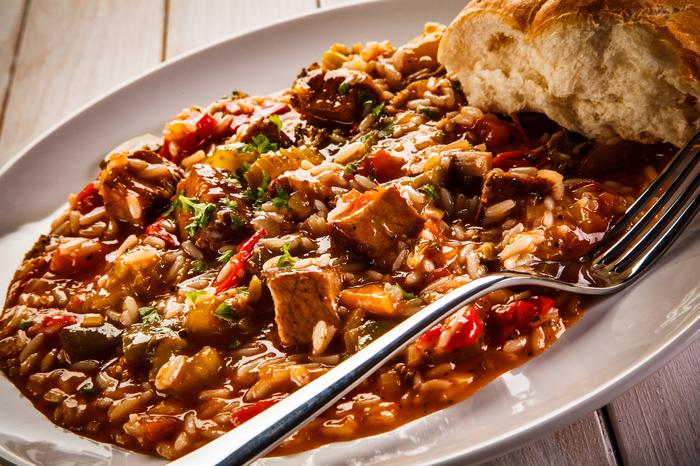
Dicing is especially useful when you want ingredients to cook uniformly and consistently throughout your recipe. Examples include soups, stews, and salads. Diced ingredients are able to cook simultaneously without One or more items being either overcooked while others are still uncooked. Think about a hearty beef stew with carrots, potatoes and beef all cooked equally due to proper Dicing.
How do i dice?
You can achieve uniform Dicing by First creating planks of your ingredient. For example, if you were Dicing an onion, cut it in half lengthwise, remove the skin, place it on the cutting board and cut horizontally along the board (without going through the root) and then cut vertically down the onion to create a grid pattern. Your last step would be to cut across your vertical slices to create uniform cubes. Depending upon your recipe, the size of your cubes can vary. Typically a medium cube is approximately 1/2 inch and small is 1/4 inch.
Vegetables like bell peppers or zucchinis should be sliced after removing the ends and core. After peeling them, cut them into slabs. Lay the slabs flat on top of One another. Cut them into strips. Rotate the strips 90 degrees and slice again into strips to create uniform dice.
Common Mistakes
Many people incorrectly assume that uneven cuts don’t matter much. While this may not appear serious at First glance, paying close attention to each of your cuts as you go through the process can really make a big difference in terms of the quality of cooking. Avoid using too much pressure or rushing through your cuts as this can result in slippage, injury, etc. With continued practice of this technique, you will develop greater speed and efficiency.
Julienning
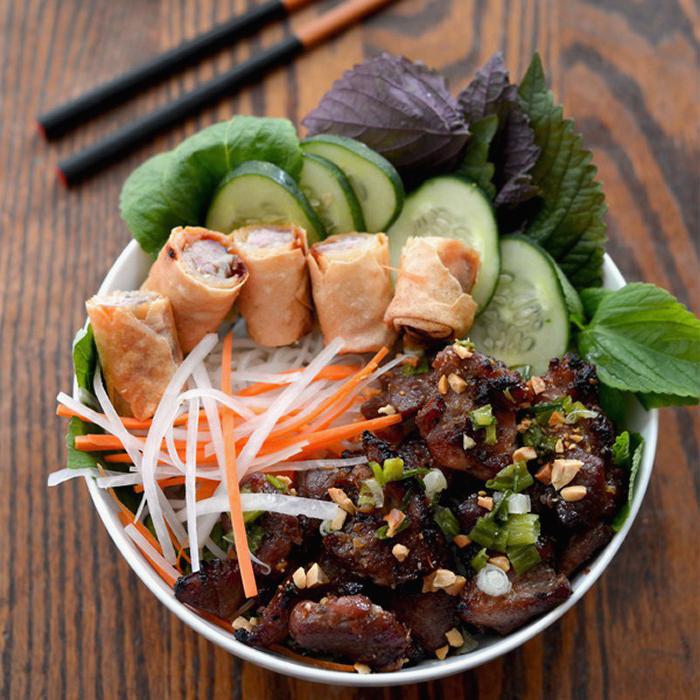
Julienning is the technique of turning vegetables into very thin stick-like match sticks. Julienning adds a nice amount of texture and beauty to any dish. Whether it is a fresh and beautiful carrot salad or a decorative topping for a high-end meal, julienning adds that element of flair needed to complete a dish.
Why julienne?
This technique is particularly beneficial for raw salads and stir-fries where you want fast cooking times coupled with a crunchy texture that also has visual appeal. Because of its increased surface area, julienned vegetables cook faster than larger pieces of similar vegetables. This technique works perfectly for those types of meals where vegetables quickly cooked on top of noodles or rice for example.
How do i julienne?
Begin by cutting your vegetables into manageable pieces roughly 2-3 inches in length. Using the previous example, take a carrot, peel it, and cut it into sections. Cut each section into planks, roughly 1/8 inch thick. Place the planks on top of One another to form stacks. Slice the stacks of planks into long thin strips. Uniformity is critical at this point. Therefore take your time and try to maintain an even thickness among all of your strips. A firm hand and a sharp knife are what you will need to successfully execute julienne-style cuts.
In addition to carrots, softer vegetables like bell peppers can be used with this method. To julienne soft vegetables, simply cut around the center to flatten the slabs. Proceed with stacking and cutting as with the carrots. Apples can be chopped into julienne style cuts when preparing fruit-based salads or garnishes.
Success tips
If you need uniformity quickly or uniformity is particularly important for your recipe, consider using a mandoline to help you achieve uniformity. Remember to treat all cutting tools with respect as they are capable of causing extreme harm if handled improperly. If you are new to using a mandoline, consider using the hand guard or wearing a cut-resistant glove for protection during your initial experience.
Chiffonade
The Chiffonade technique is a delightful way to prepare delicate herbs or leafy greens for various dishes. This technique involves rolling leaves tightly together, then slicing them into thin ribbons that can be added to dishes for their natural flavor and texture as well as aesthetic purposes.
Why Chiffonade?
Herbs like basil or mint and leafy greens like spinach or lettuce lend themselves well to being prepared via Chiffonade. These ribbons provide a light yet flavorful layer of herbaceous flavor to dishes like pasta, pizza or salads without overpowering them with large pieces. Additionally, the delicate nature of these ribbons can also be used as a garnish, thereby enhancing the overall presentation of the dish.
How to Chiffonade
First stack multiple leaves on top of One another. Then roll the leaves tightly together from the base end to the tip end. Hold the roll firmly in your hand, then slice across it with your knife in order to create ribbons. As long as your knife is sharp, it will easily slide through the rolls cleanly without bruising or tearing the leaves.
Rolling leaves for basil is not only aesthetically pleasing but preserves the fragrant aromatics within the leaves as well. When using tougher greens like kale in salads, using chiffonades will break down the fibers more effectively enabling easier consumption and absorption of dressing.
Pitfalls
A major pitfall associated with this method is bruising the leaves, which occurs when the knife blade is dull or when the roll does not hold properly together. Employing a sharp knife and maintaining your roll tightly will minimize bruising and enable neatness when cutting. When working with basil or mint that bruises easily, ensure that your knife remains sharp and gently chop through with smooth strokes.
Brunoise
Whether looking to impress with precision or desiring to present fine cuisine elements in your dishes, brunoise is One of the most precise forms of cutting vegetables available Today. Through brunoise, you will obtain incredibly small cubes of vegetables that add a level of sophistication to any dish.
Why brunoise?
Brunoise is used in upscale restaurants primarily as a garnish or as part of fine soups where uniformity and appearance are paramount. Brunoise is also utilized when recipes demand a subtle seasoning effect allowing minute amounts of flavor to distribute evenly without overwhelming other components in a dish such as sauces or risottos.
How do i perform brunoise?
Your process starts out similar to julienne. Begin by creating matchsticks from your vegetable(s). Turn 90 degrees and cut across your matchsticks to produce small cubes typically measuring about 1/8 inch per edge. Similar to julienne, precision is essential when performing brunoise cuts. Start slow and focus on achieving consistent sizes. Once you gain proficiency in this skill, you will rapidly increase your speed.
Brunoise cuts add great pop of color and texture to root vegetables such as carrots or celery root that don't overpower other ingredients in a dish.
Tips for successful execution:
While executing brunoise cuts requires tremendous precision, utilizing the correct tool can make all the difference. Often a small paring knife proves to be far superior to larger knives since it offers greater control over exact cuts. By ensuring your knife is sharp, you will produce clean-cut edges with less chance of crushing or destroying your vegetables. Line up your julienne strips precisely prior to executing brunoise cuts to ensure accuracy.
Mistakes & FAQs
Most Common Mistakes Underestimating the importance of keeping your knives sharp is perhaps One of the biggest mistakes cooks make. Maintaining a sharp knife increases safety by eliminating unnecessary pressure that could lead to slips and improves effectiveness overall. Honing your knife regularly and periodically having it professionally sharpened will significantly affect your ability to perform knife-related tasks efficiently.
Consistent cuts are another major mistake that can lead to uneven cooking times. Practice is necessary; therefore practice slowly at First concentrating on developing your technique then as you grow more proficient continue to accelerate your pace.
Frequently asked questions
What type of knife is best for performing these cuts?
A good chef’s knife is versatile enough to handle most cuts; however purchasing a paring knife specifically designed for precise cuts or santoku knife for additional control can also prove worthwhile investments.
How can i improve my technique for making these types of cuts?
Practice with low-cost ingredients such as potatoes or carrots. They offer many options for refining your techniques without generating significant costs related to waste.
How do i prevent slipping on my cutting board?
Use a wet cloth or non-slip mat beneath your cutting board when chopping to eliminate movement while chopping. This maintains both safety and precision for all chops performed.