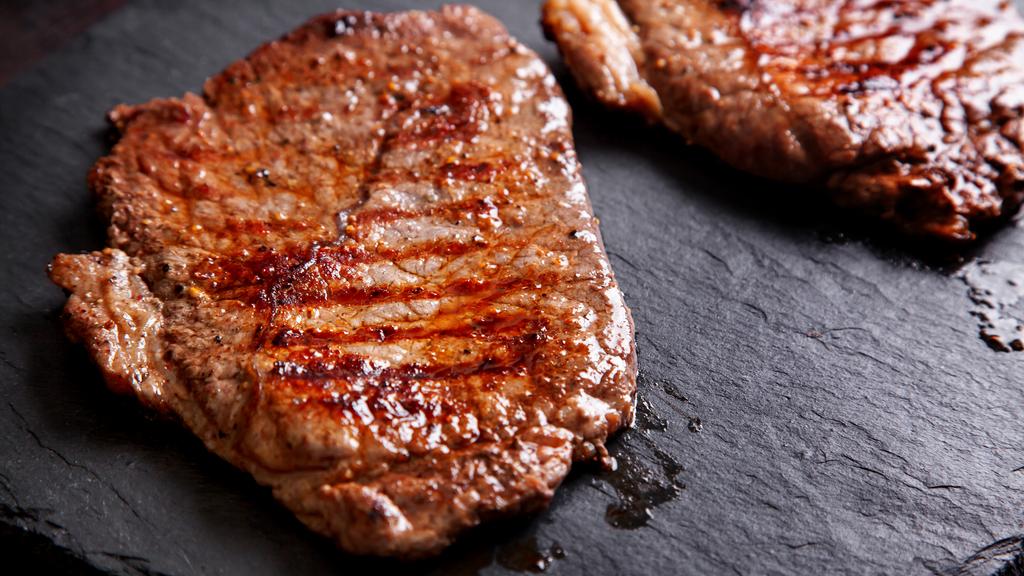
Cooking is an incredible way to take raw ingredients and create something nourishing, appetizing, and memorable. Heat transforms ingredients, offering us many opportunities to share enjoyable times with family, friends, and others. The basis for this ability to create great meals is found within the Maillard reaction. While many view the Maillard reaction simply as a chemical phenomenon, it is a critical element of all great meals. Whether you’re sautéing steak, baking bread, or roasting vegetables, you use the Maillard reaction to create amazing tastes and smells.
What Is the Maillard Reaction?
The Maillard reaction is an extremely complicated chemical reaction that occurs when amino acids (the elements that build proteins) are heated with reducing sugars. As part of this complex process, numerous new compounds are created. Every one of these new compounds contributes to the flavor and the browning that we associate with cooked foods. Although similar to caramelization, the Maillard reaction is a cooperative reaction involving sugars and proteins. Where caramelization results from only the thermal degradation of sugars, the Maillard reaction represents the combined efforts of sugars and proteins.
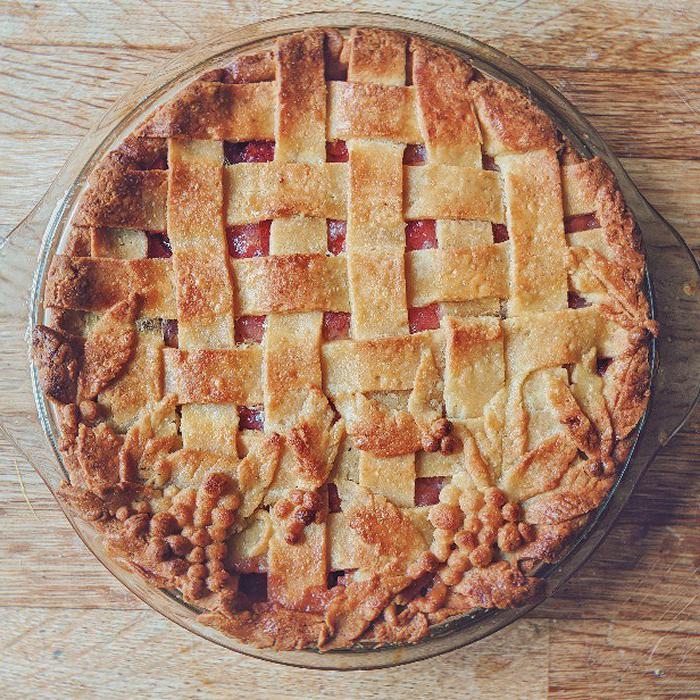
The Maillard reaction is typically most active in a temperature range of 140° to 165°C (285° to 330°F). During this temperature range, a food's exterior will have begun to brown and exhibit complex flavors. The Maillard reaction is responsible for developing aromas in kitchens that are sure to invite everyone in. Think about the smell of freshly baked cookies or bread straight from the oven; this is what the Maillard reaction sounds like to your senses.
The Maillard Reaction in Practical Terms
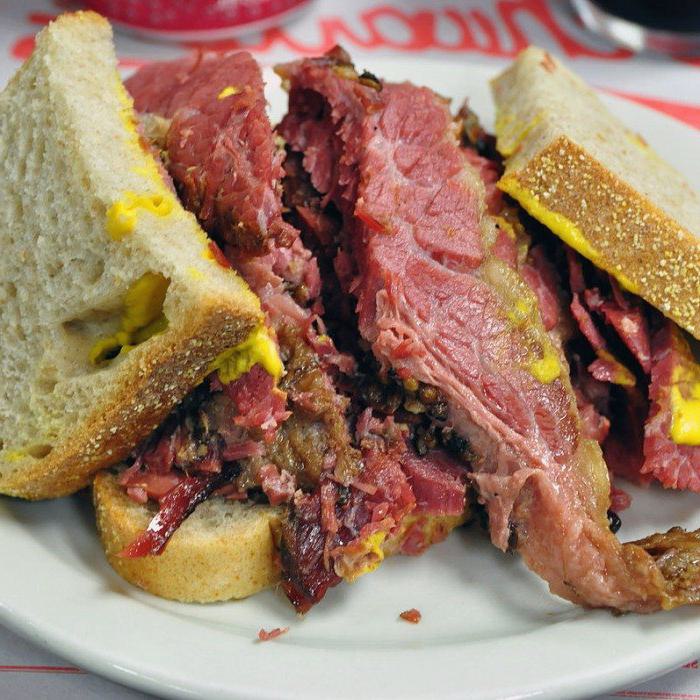
The Maillard reaction explains how the browning that occurs on a pan-seared steak and the browning on the edges of baked cookies come about. Both instances are examples of the Maillard reaction creating browning on the surface of a food item, but it goes far beyond just creating color. The Maillard reaction unlocks flavors that provide satisfaction in eating.
Why Browning Improves Flavor
We perceive browning visually and through taste. The browning of food indicates to our senses that there will be a rich experience ahead. The hundreds of various new compounds generated during the Maillard reaction give rise to a vast array of flavors. The browning of meats produces savory and meaty flavors. On the other hand, browning on baked goods generates nutty, toasted, and sometimes sweet flavors. The diversity of compounds generated by the Maillard reaction provides for the complexities associated with their interactions with each other, often generating flavors we cannot obtain through seasoning alone.
For example, a basic roast chicken will generate a savory flavor when the skin is properly browned. This is not only due to the contrast between textures offered by a crispy brown skin versus soft meat beneath it; the browned skin adds a rich flavor to the whole meal. Additionally, think about the humble grilled cheese sandwich. When done correctly and a golden-brown crust is developed through the Maillard reaction on the outside, what was once merely two slices of bread and melted cheese becomes something greater than itself.
How To Activate The Maillard Reaction In Your Kitchen
To activate the Maillard reaction successfully, you need to control three primary variables: time, temperature and moisture. Each variable affects whether your food reaches its optimal flavor.
Temperature:
As mentioned earlier, high temperatures allow for better activation of the Maillard reaction. Therefore, roasting, grilling and frying are among your best options for achieving a successful Maillard reaction. The Maillard reaction begins to occur when a food reaches 140° C (285 F), however optimal activity occurs near 165 °C (330 °F).
When searing a steak, place a pan under extreme heat prior to laying down your steak. One method to verify if your pan has reached an adequate temperature is to flick a small amount of water onto the surface of the pan. When the drop hits the pan, it will quickly boil and rapidly disappear. This will indicate that when you put down your steak, it will immediately start to caramelize at an extreme rate thus locking in juices and developing flavor.
Similarly, preheat your oven to your desired cooking temperature before putting down your food. A preheated oven will initiate cooking instantly, allowing for consistent browning throughout. Roasted vegetables do well at approximately 200°C (400°F). Toss your vegetables lightly with a little oil; then spread them out on a baking sheet so they are not crowded and let the oven do its job.
Time:
Brownings require time. The Maillard reaction doesn't happen immediately and therefore requires patience. Allowing sufficient time for heat to penetrate throughout your food will promote complete and flavorful development of the crust. A prime example would be letting a roast stay in your oven long enough for it to acquire a deep brown color on the outside, indicative of rich flavor on the inside.
Additionally, in pan-frying, do not rush to flip your food too early. Let it sit long enough for it to develop a crust. Not only does this improve flavor; it improves texture as well. Sustained contact between heat and food allows for total completion of the Maillard reaction resulting in a crust that is both visually appealing and richly flavored.
Moisture:
Managing moisture effectively is another important factor for successful browning. Moisture can suppress the Maillard reaction because energy is initially absorbed by evaporation of moisture prior to beginning browning. Dryer cooking techniques are usually preferred when attempting to brown.
Pat dry any excess moisture off of meats before cooking with paper towels. This simple action can significantly impact browning of foods. Similarly, when roasting, attempt to keep vegetables or protein away from one another on your baking sheets. Crowding causes trapping of steam preventing browning.
Light applications of oil can also help facilitate browning by improving even heating transfer across surfaces. Do not apply excessive amounts of oil as it may block access between heat and food thereby limiting potential for browning.
Tips for Activating Browning in Cooking
Using these principles in your kitchen will greatly increase your success rates when attempting to optimize flavor in your food items. Below are some tips for you to try:
Don’t Overcrowd Pans or Baking Sheets: When cooking on either a stovetop or in an oven, space is critical. Provide enough room for air circulation and heat transfer. This enables even browning of food surfaces.
Choose Proper Cooking Fat: Oil with high smoke point, e.g., canola oil, grapeseed oil, perform well at high-heat cooking conditions. These oils maintain stability at high temperatures without overpowering flavors.
Be Patient When Flipping Food Items: After placing your food down in a pan, permit time for initial browning development before flipping it over frequently. Frequent flipping prevents developing of an ideal crust layer necessary for maximum flavor.
Balance Sugar Content: Natural sugars contained within foods enhance Maillard reactions. Utilize naturally occurring sugars to enhance browning of onions or utilize small quantities of added sugar as an accelerator for enhanced flavor.
Add Acidity Later: Acids can disrupt Maillard reactions and should be introduced later in the cooking process after browning has been accomplished. A squeeze of lemon juice or splash of vinegar can introduce brightness to flavors but should be supplementary to browning processes.
Mistakes That Can Prevent Effective Browning
Even though experienced home chefs understand the importance of achieving a quality brown finish on their food products, mistakes can still occur. Common errors include:
Overcrowding pans: Most likely error made by home chefs today. When you overcrowd pans, steam builds up and browning cannot occur, instead food will steam.
Incorrect Temperature Settings: Finding correct temperature ranges for effective browning is essential. Low temperatures mean less effective Maillard reactions; high temperatures may cause burning before cooking is completed, adjust stoves/oven accordingly and look for visual indicators.
Lack of Preheating: Before introducing food products into hot pans or ovens, always ensure that your cooking surfaces reach maximum temperature needed for activating Maillard reactions.
Excessive Marinating: While marinating introduces flavors (too much moisture inhibits browning) when marinating meats, dry them thoroughly before cooking to enable crust formation.
Ignoring Carryover Cooking: Primarily relevant for meat products, carryover cooking describes residual cooking that occurs after removing heat sources, keep this in mind when determining optimal doneness levels.
Commonly Asked Questions Regarding The Maillard Reaction
Can I still achieve a Maillard reaction at lower temperatures?
Although the Maillard reaction achieves highest performance at higher temperatures (it can still occur at lower temperatures (albeit slower)) as previously described. Methods for slow-cooking like braising or sous vide still result in browning if followed by rapid finishing methods, although slower development of visible browning will occur along with possible lesser degree of flavor development.
How does the Maillard reaction compare to caramelization?
The principal differences between caramelization and the Maillard reaction lie primarily in involvement of proteins. Caramelization includes only thermal degradation of sugars, whereas the Maillard reaction is an interdependent reaction involving both sugars and proteins. Caramelization results in sweet nutty flavors, and is responsible for color/taste profiles exhibited by caramelized onions/sugar based sauces, whereas the Maillard reaction generates savory/complex flavors.
Do types of sugar affect the Maillard reaction?
Yes, different types of sugar influence final outcomes regarding the Maillard reaction, naturally occurring reducing sugars like glucose/fructose have faster participation ratios than non-reducing sugars (like sucrose), therefore honey (containing glucose/fructose) enhances browning when utilized as marinade/glaze ingredients, knowing what types of sugars exist in your ingredients will allow manipulation of reaction parameters to produce desirable flavors/colors.
Conclusion
The Maillard reaction is an integral component of cooking that has the capacity to transform ordinary foods into creative masterpieces. By learning to control and apply principles associated with this reaction (you can improve flavor/aroma of dishes you prepare) providing enjoyment for those who consume them. Regardless if you are an inexperienced chef or an experienced professional. mastering the Maillard reaction will raise the quality of all meals prepared in your kitchen, transforming raw ingredients into unforgettable culinary experiences.