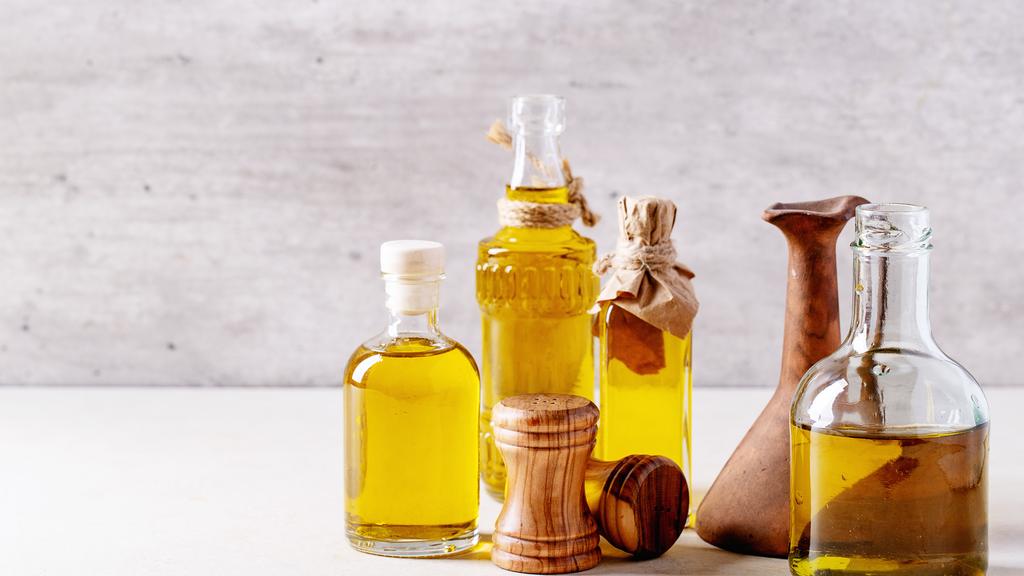
There are many factors in choosing the right oil to cook with at home. One very important one is knowing the smoke point of the oil you choose. Knowing what the smoke point of an oil is can help you determine whether your meal will be a success or a disaster. Let's dive in further on the science of smoke points, why they matter and how to find the right match for the cooking method you want to do.
What Is an Oil's Smoke Point?
The smoke point of an oil is the temperature at which the oil starts to break down and produce smoke. As the oil breaks down, it forms free radicals and other hazardous chemicals. Not only will the breakdown of the oil change the way your food tastes, but it can also make it less nutritious. Every oil has its own smoke point depending primarily on the amount of processing done to refine it, as well as the type of fats contained in it.
Unprocessed oils tend to have lower smoke points than processed ones. This is due mainly to the presence of impurities and particles that will allow the oil to heat up faster. Processed oils strip away these impurities and particles allowing it to reach a higher temperature before breaking down.
Why Does Smoke Point Matter in Cooking?
Cooking oils serve two purposes. First, they are a barrier against food adhering to pans. Second, they contribute to creating both flavor and texture in your finished dish. Using an oil past its smoke point not only gives your food an unpleasant "burnt" taste, but it can also create a toxic environment through the creation of fumes and free radicals that damage your body. Also, there is nothing that can cover up the nasty, acrid taste imparted by heated oil.
You need to select the correct oil based on your chosen cooking method. Regardless of whether you are frying, sautéing or baking, you want to pick an oil that will stay stable and deliver great flavor throughout the entire cooking process.
Examining Different Oil Types & Their Smoke Points
Below we'll show you the smoke point of several common oils. We've broken out these oils into three categories: High-Smoke Point Oils, Moderate-Smoke Point Oils and Low-Smoke Point Oils. This section serves as a reference guide for picking the perfect oil for frying, sautéing and baking so that your dishes taste fantastic while staying safe to consume.
High Smoke Point Oils:
These oils work best when performing high-heat cooking procedures such as frying and searing. The reason is that they can endure extremely hot temperatures without degrading rapidly.
Avocado Oil: Avocado oil boasts a smoke point of roughly 520 degrees Fahrenheit (271 Celsius) and is a fine oil for frying. Due to its high content of monounsaturated fat, it also promotes heart health. Moreover, its mild flavor provides a buttery taste that complements most dishes.
Refined Safflower Oil: A good alternative for those seeking versatility is refined safflower oil, which has a smoke point of roughly 510 degrees Fahrenheit (266 Celsius). Light in flavor, this oil is adaptable across many types of cuisine and won't overpower main course ingredients.
Rice Bran Oil: Well-known among Asian chefs, rice bran oil has a smoke point of approximately 450 degrees Fahrenheit (232 Celsius) and includes antioxidant oryzanol that aids in lowering cholesterol. Because of this combination, it is an eco-friendly option for deep frying.
Peanut Oil: A favorite among Asian chefs for its role in stir-fry recipes, peanut oil has a smoke point of approximately 450 degrees Fahrenheit (232 Celsius) and a nutty flavor that adds complexity to fried foods. Additionally, because peanut oil resists degradation at high temperatures, it is a solid choice for frying foods.
Medium Smoke Point Oils:
Best suited for cooking methods requiring moderate heat, i.e., sautéing and baking. Medium smoke point oils provide a nice middle ground between the flavor profile and heat tolerance.
Extra Virgin Olive Oil: EVOO has a wide range of smoke points, typically between 375°F to 405°F (191°C to 207°C). While it can withstand a little bit of heat, it still shines as a low-to-medium heat oil when it comes to Mediterranean dishes. It provides an intense flavor along with plenty of antioxidants. For instance, when preparing caponata or ratatouille, use EVOO to enhance flavors in your dish. To prepare Asian-style stir-fries, try pairing sesame or grapeseed oil with vegetables or protein. Heat these oils to between 320°F to 375°F (160°C to 191°C) when sautéing vegetables or proteins to preserve their texture and flavor.
Coconut Oil: Coconut oil has an approximate smoke point of 350° F (177°C). It works well in baking and sautéing. It brings a sweet yet distinct coconut aroma that pairs well with baked goods and tropical dishes. When replacing oils in baking, remember that each oil will give you its own unique taste and texture. For example, using avocado oil in a chocolate cake would increase its richness. Normally, bake with temperatures below the smoke point of the oil, i.e., roughly between 325° F and 375° F (163° C and 191° C).
Grapeseed Oil: Grapeseed oil is commonly used for its neutral taste and blending capabilities. It works perfectly for light sautéing or baking where minimal flavor contribution is required. The smoke point for grapeseed oil is roughly 420° F (216° C).
Low Smoke Point Oils:
Usually applied uncooked since their flavor characteristics shine through when added as a finishing touch or mixed into sauces/dressings.
Flaxseed Oil: Has a smoke point of only about 225°F (107°C), flaxseed oil is rich in omega-3 fatty acids. Use flaxseed as either a finishing touch or in cold preparations such as salad dressings.
Walnut Oil: Has a smoke point of approximately 320° F (160°C), walnut oil is rich in flavor. Its nutty flavor adds layers of complexity to cold dishes. It blends perfectly with fall flavors such as pumpkin and apples.
Hemp Seed Oil: Possesses a smoke point of about 330° F (166°C), hemp seed oil is best reserved for adding finishing touches or mixing into sauces/dressing. Nutty/earthy flavored, hemp seed oil elevates simplicity of salads or cooked grains.
How To Select The Proper Oil For Your Desired Method Of Cooking
Finding the perfect cooking technique relies heavily upon combining your knowledge of oils with your intended cooking procedure. Below we'll outline our recommendations for achieving the best possible results by pairing oils with their respective cooking needs.
Frying
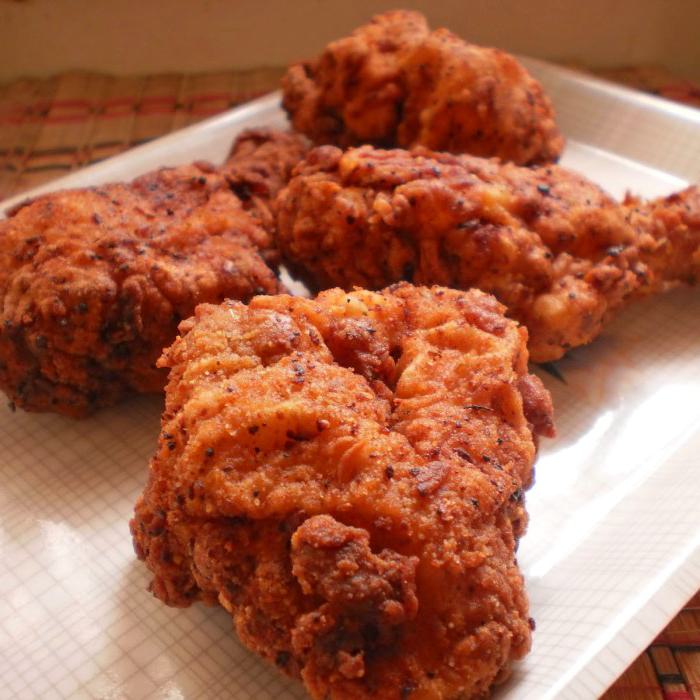
When frying, you'll want an oil that holds up well to high heat. Ideally, you want an oil that doesn't only hold up to heat but also delivers wonderful flavor without overpowering your food. Consider using Avocado Oil for frying chicken or fish, or Peanut Oil for frying potatoes or fries. Both Avocado Oil and Peanut Oil possess high smoke points allowing them to fry foods until golden brown without losing quality. Keep your frying temperature steady around 350° F to 375° F (177° C to 191° C) so that all food pieces turn golden brown simultaneously.
Sautéing
To properly perform sautéing you want an oil whose heat tolerance matches the intensity needed during the preparation phase. The ideal temperature is slightly above the medium mark. EVOO is perfect for Mediterranean-style dishes that call for low-to-moderate heat such as Caponata or Ratatouille. If preparing Asian-style stir-fries, consider using Sesame or Grapeseed Oil to add additional dimensions without reaching their smoke points. Heat your EVOO to around 320° F to 375° F (160° C to 191° C) when preparing vegetable or protein-based stir-fries for optimal flavor retention.
Baking
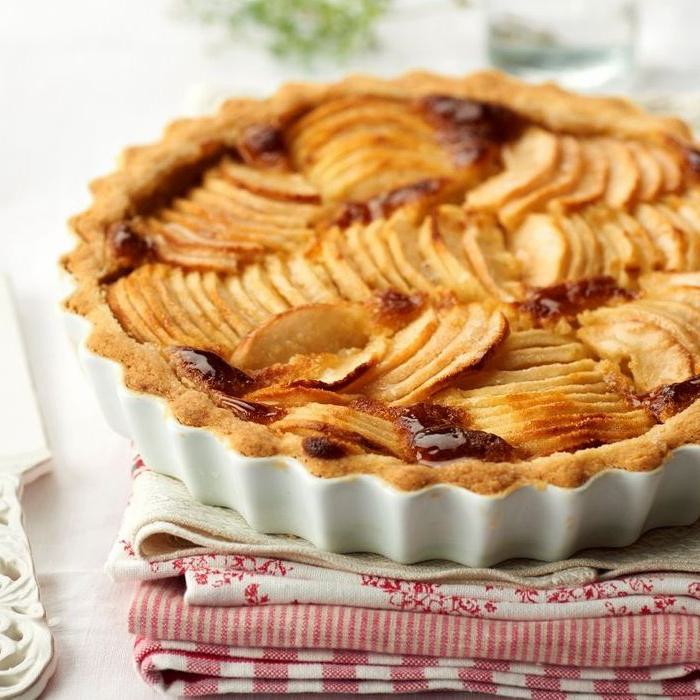
In baking, oils act as moisturizers that help develop texture. Coconut Oil is a popular choice for Vegan Baking due to its sweet flavor additions when blended with dry ingredients in baked goods. Olive Oil is effective for bread-making in general; specifically Italian-style breads like Focaccia benefit greatly from its addition. Since each type of oil will lend its unique characteristics when substituted in baking recipes; e.g., using Avocado Oil instead of Butter will add richness and creaminess to Chocolate Cake. Generally speaking, keep baking temperatures below your selected oil's smoke point (usually in the range of 325° F to 375° F / 163° C to 191° C).
Mistakes Made By Home Chefs & Frequently Asked Questions
Most home cooks experience similar errors while working with cooking oils. Avoidance of these issues will result in improved both safety and flavor of your prepared meals.
Mistake #1 Overcrowding The Pan:
Adding too much food at once reduces the pan's temperature rapidly causing unequal heating and rapid loss of quality for the cooking oil. Prepare food in small batches in order to achieve even cooking and stable temperature.
Reusing Oil Excessively:
While reusing oil may save money; reusing it excessively can decrease its smoke point - especially when reused multiple times for frying. After each usage strain the cooking oil and reuse it one or two more times.
Improperly Storing Oil:
Store oils in a cool location far from direct sunlight to minimize rancidification caused by oxidation. Store oils away from your stovetop area where excessive heat could degrade them prematurely.
Some Tips To Get Better Results:
Applying basic principles regarding each type of oil can significantly enhance your culinary skills from mediocre to extraordinary. Here are some practical ideas:
Always Bring Oil Up To The Correct Temperature Before Adding Food:
Achieving perfect cooking requires bringing your chosen oil up to the appropriate temperature before introducing food items into the pot/pans etc.. This will assure even cooking and prevent excess absorption of oil.
Use An Oven Thermometer To Monitor Oil Temperatures During Deep-Frying:
Deep-frying consistently produces better results when utilizing an oven thermometer to measure your frying oil's exact temperature consistently during every batch. Maintaining even temperature enables crispy browning on all sides consistently!
Try Out Diverse Oils For Varying Flavor Profiles:
Experimentation with numerous types of oils can introduce new layers of flavor into your dishes! Try walnut oil in pasta to incorporate nutty flavors or hemp seed oil on top of roasted vegetables.
By being aware of each type of oil's smoke point you will be able to produce tastier and safer meals that showcase the beauty of cooking!