Italian · Pasta
Venetian Duck Ragu
A rich Italian pasta sauce featuring tender duck legs braised in red wine until falling off the bone, then shredded and simmered in tomatoes. This rustic Venetian ragu develops deep, complex flavors through slow cooking and pairs beautifully with pasta.
The Method
Instructions
Alright, let's get started by heating a good splash of olive oil in a large pan over a medium high heat. Once the oil is shimmering, gently add the duck legs to the pan. Your goal here is to brown them beautifully on all sides, which should take about 10 minutes. You'll know they're ready when the skin turns a lovely golden brown and starts to crisp up, releasing those rich aromas. Once browned, carefully remove the duck legs from the pan and pop them onto a plate, setting them aside for now.
Next up, in the same pan, toss in the chopped onions. These will soak up all those delicious ducky flavors left behind, so no need to add extra oil just yet. Let the onions cook for about 5 minutes until they become soft and translucent, almost melting into the pan. This slow cooking will bring out their natural sweetness, which is a key part of the ragu's depth.
Now, add the garlic to the pan and cook it along with the onions for another minute. Keep an eye on it because garlic can go from golden to burnt pretty quickly, and burnt garlic isn't very nice! Once fragrant, sprinkle in the cinnamon and the plain flour. Stir everything together and let it cook for a further minute. This step is important because the flour will help thicken your sauce later on, and the cinnamon adds a subtle warm spice that pairs beautifully with the richness of the duck.
Time to invite the duck legs back to the party! Return them carefully to the pan, nestling them in among the onions and garlic. Pour in the red wine, which will add a lovely depth and slight acidity to balance the richness. Then add the chopped tomatoes, your chicken stock (dissolved cube works fine here), and don't forget to toss in the bay leaves and rosemary for that authentic Italian aroma. A pinch of sugar will help cut through the acidity of the tomatoes and bring everything together nicely. Give it a good stir and bring the whole lot up to a gentle simmer.
Once simmering, reduce the heat to low, cover the pan with a lid, and let it cook away for about 2 hours. This slow, gentle cooking will make the duck incredibly tender and the flavors will deepen and meld beautifully. Remember to stir it every now and then, just to make sure nothing sticks to the bottom and the sauce cooks evenly.
After the two hours, carefully lift the duck legs out of the sauce and place them on a plate. They'll be super tender now, so try to keep as much of the delicious meat as possible. Use two forks to gently pull the meat away from the bones,you'll probably notice some fat that's best discarded to keep the sauce from being too heavy. Once shredded, return the meat to the pan and pour in the milk. Give the ragu another 10 to 15 minutes of simmering, uncovered this time, to let everything meld together and the sauce thicken just a bit more.
While the ragu is finishing up, cook your paccheri pasta according to the package instructions. When it's perfectly al dente, drain it but do save a cup of that lovely starchy pasta water. This liquid can be a lifesaver if your sauce feels a bit too thick when you toss the pasta in. Add the drained pasta straight into the ragu and stir well, making sure every piece is generously coated with the rich sauce. If it looks a little dry, splash in some of the reserved pasta water and give it another minute to soak up all that goodness.
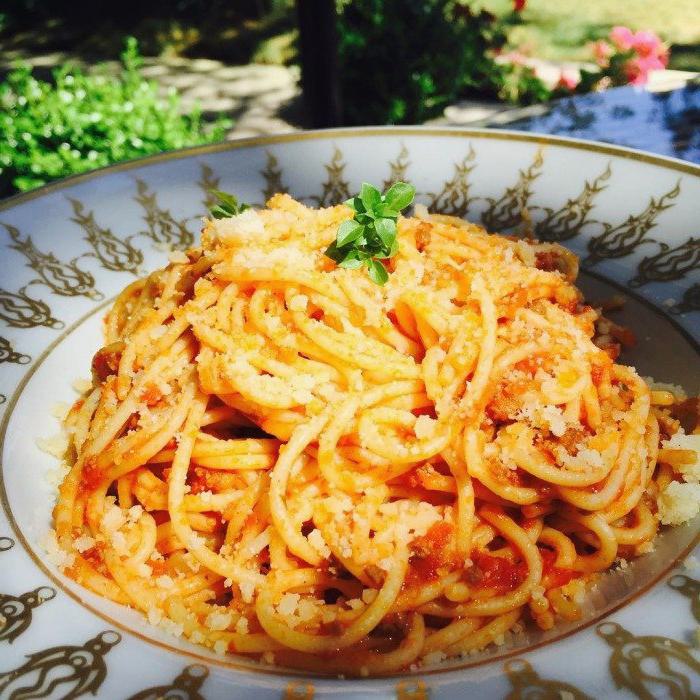
To finish, serve your Venetian Duck Ragu with a hearty grating of Parmesan cheese on top if you're feeling indulgent. The salty, nutty cheese will complement the rich ragu perfectly. And there you have it,a cozy, comforting Italian classic that's just waiting to be enjoyed!
Next up, in the same pan, toss in the chopped onions. These will soak up all those delicious ducky flavors left behind, so no need to add extra oil just yet. Let the onions cook for about 5 minutes until they become soft and translucent, almost melting into the pan. This slow cooking will bring out their natural sweetness, which is a key part of the ragu's depth.
Now, add the garlic to the pan and cook it along with the onions for another minute. Keep an eye on it because garlic can go from golden to burnt pretty quickly, and burnt garlic isn't very nice! Once fragrant, sprinkle in the cinnamon and the plain flour. Stir everything together and let it cook for a further minute. This step is important because the flour will help thicken your sauce later on, and the cinnamon adds a subtle warm spice that pairs beautifully with the richness of the duck.
Time to invite the duck legs back to the party! Return them carefully to the pan, nestling them in among the onions and garlic. Pour in the red wine, which will add a lovely depth and slight acidity to balance the richness. Then add the chopped tomatoes, your chicken stock (dissolved cube works fine here), and don't forget to toss in the bay leaves and rosemary for that authentic Italian aroma. A pinch of sugar will help cut through the acidity of the tomatoes and bring everything together nicely. Give it a good stir and bring the whole lot up to a gentle simmer.
Once simmering, reduce the heat to low, cover the pan with a lid, and let it cook away for about 2 hours. This slow, gentle cooking will make the duck incredibly tender and the flavors will deepen and meld beautifully. Remember to stir it every now and then, just to make sure nothing sticks to the bottom and the sauce cooks evenly.
After the two hours, carefully lift the duck legs out of the sauce and place them on a plate. They'll be super tender now, so try to keep as much of the delicious meat as possible. Use two forks to gently pull the meat away from the bones,you'll probably notice some fat that's best discarded to keep the sauce from being too heavy. Once shredded, return the meat to the pan and pour in the milk. Give the ragu another 10 to 15 minutes of simmering, uncovered this time, to let everything meld together and the sauce thicken just a bit more.
While the ragu is finishing up, cook your paccheri pasta according to the package instructions. When it's perfectly al dente, drain it but do save a cup of that lovely starchy pasta water. This liquid can be a lifesaver if your sauce feels a bit too thick when you toss the pasta in. Add the drained pasta straight into the ragu and stir well, making sure every piece is generously coated with the rich sauce. If it looks a little dry, splash in some of the reserved pasta water and give it another minute to soak up all that goodness.
To finish, serve your Venetian Duck Ragu with a hearty grating of Parmesan cheese on top if you're feeling indulgent. The salty, nutty cheese will complement the rich ragu perfectly. And there you have it,a cozy, comforting Italian classic that's just waiting to be enjoyed!
Pairs Well With