In today's busy home kitchen environment, the chef's knife is probably the most essential utensil for creating the dishes we enjoy. Having a good chef's knife helps turn our food preparation process into something we love doing. On the flip side, having a dull or poorly weighted knife makes meal prep into a frustrating task. Learning how to choose a chef's knife and how to keep it sharp requires some background knowledge. To learn what makes up the ideal chef's knife and how to get the most out of your purchase, let's start by discussing the basics of choosing a good chef's knife and then the best way to keep it in shape.
About chef's knives
A chef's knife is not merely a tool, it is an extension of your hand. Most chef's knives have a length of blade between eight and ten inches and are capable of performing nearly all the tasks involved in a typical home kitchen operation, whether it is slicing vegetables, dicing meat, chopping ingredients, or even peeling fruits and vegetables. Understanding the various types of chef's knives available is crucial to selecting the right knife for you.
Types of chef's knives
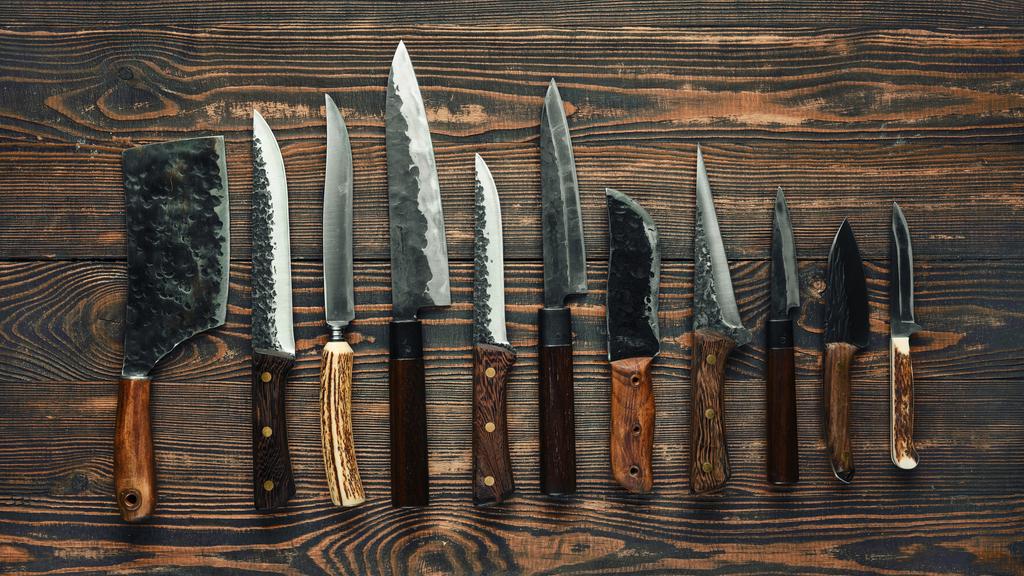
There are two main styles of chef knives: western-style and Japanese-style. Both offer benefits depending upon your own personal style of cooking.
Western-style chef's knife:
Western chef knives are generally larger in size and therefore have greater weight and momentum behind them. The western-style chef knife has a curved blade that fits perfectly under the heel of your palm for a rocking motion, ideal for cutting herbs thinly or mincing garlic. As opposed to Japanese-style knives, western knives are typically double-edge and are thus suitable for use by either left-handed or right-handed individuals alike. Whether you are cutting through a piece of chicken at the joint or simply chopping onions thinly, the versatility of a western-style knife makes it an excellent addition to any kitchen.
Japanese-style chef knife:
As opposed to western-style chef knives, Japanese-style knives are smaller in size, lighter in weight and offer a flat, straight edge. Due to their lightness and straight edge, Japanese-style knives are well-suited for delicately cutting thinly sliced fish (such as sashimi), thinly sliced vegetables, etc. There are several varieties of Japanese knives including gyutos and santokus. Gyutos resemble western-style knives but are lighter in weight and more sharply edged. Santokus are generally smaller in size and more rectangular-shaped. They are highly versatile and excellent for chopping vegetables, dicing fruits and vegetables and slicing large quantities of fruits and vegetables.
Choosing the best steel
Steel composition greatly impacts the overall function and longevity of a knife. Below is information regarding some of the steels that are commonly used in chef knives.
Stainless steel:
Stainless steel is very popular among home cooks due to its ability to prevent corrosion/rust and ease of cleaning/maintenance. Additionally, stainless steel does not stain nor react with acidic foods. Although stainless steel requires more frequent sharpening than some other types of steel, it is still considered an acceptable material for general home cooking.
High carbon steel:
High carbon steel offers extremely sharp edges with exceptionally durable properties. Because this type of steel holds its edge longer than other types of steel, it requires less frequent sharpening. High carbon steel is preferred by many professionals however, it has a tendency to corrode/rust, as such it requires extra diligence when caring for such knives (e.g., dry immediately after use).
Damascus Steel:
Damascus Steel is known for its visually appealing wavy pattern. Like high carbon steel, Damascus Steel also provides strength as well as sharpness. Damascus Steel is composed of multiple layers of steel (typically). Damascus knives are often more costly than other options and are a luxury item that represents both functionality and aesthetics.
Choosing a handle
The handle is equally important to the blade. Control and comfort are essential when considering a handle. A good handle should fit securely within your hand allowing you to grasp it firmly without becoming fatigued after extended use. Some of the most common materials used in handles include:
Wooden handles:
Wooden handles provide a classic feel and natural grip. Wooden handles are more susceptible to water absorption as such, wooden handled knives require additional maintenance in terms of applying oils to prevent cracking/rotting.
Plastic handles:
Plastic handles are durable and impervious to moisture, making plastic handles an excellent choice for daily use. Many plastic handles also feature textured surfaces for improved grip.
Composite handles:
These composite materials combine the aesthetic qualities of wooden handles with the durability of plastic handles. Composite handles are found on many premium knives.
Maintaining your sharp knife
Using a sharp knife is not only safer to utilize; it also increases efficiency and enjoyment when utilizing said knife. Maintaining your knife at peak performance requires ongoing maintenance; however, once you understand how to properly hone/sharpen your knife, you'll find that the process is relatively simple.
Routine honing:
Honing is routine maintenance that keeps your knife edge aligned; it maintains a sharp edge without taking away any material from the blade. A honing steel is an integral component of any set containing knives; it aids in achieving optimal results when sharpening your knife. Ideally, hone your knife prior to each use. Position the honing steel upright on a stable surface with the tip resting on a cutting board. At a 15-degree angle draw your knife downward along the steel in smooth, continuous motions alternately stroking left-to-right/right-to-left sides. Try for about five strokes per side. This process alone can increase the time needed before sharpening your knife again.
Sharpening methods:
When your knife becomes dull enough that even frequent honing no longer produces satisfactory results, it will eventually need sharpening. The following are methods you can use for sharpening your knives:
Whetstones:
A Whetstone is the gold standard for sharpening knives; it allows for maximum precision and control. Begin by shaping the edge of your knife with a coarse grit (about 400) and then proceed to a fine grit (1000-3000) to sharpen the knife. Prior to initial use, submerge your Whetstone in water for approximately 15 minutes to prevent dehydration. Use a constant angle (usually around 20 degrees for western knives and slightly less for Japanese) when sharpening.
Electric Sharpener:
An electric Sharpener is convenient and fast; as such, they're ideal for novice users or those who lack time. An electric Sharpener utilizes spinning abrasive wheels to sharpen your knife and minimizes the amount of expertise required. That being said, using an electric Sharpener excessively can shorten the life expectancy of your knife compared to manual sharpening techniques.
Manual pull-through Sharpener:
Pull-through sharpeners are user-friendly; they have predetermined angles that allow even novices to sharpen their knives effectively. Although pull-through sharpeners aren't as precise as whetstones; they're an adequate solution for general-purpose sharpening requirements. Pull-through sharpeners are also beneficial for rapidly touching up knives before beginning a cooking session.
Knife storage:
Storing your knives properly affects their sharpness/durability as well. Store them unsecured in a drawer where they could develop nicks or dullness from unwanted contact with other items. Use one or more of the following methods for storing your knives:
Magnetic strip:
Mounted on walls, magnetic strips display your knives in plain view; this reduces cluttered countertops while preventing accidental collisions between blades which would otherwise dull the edge.
Knife block:
Traditional storage method: knife block stores blades protected from injury as well as protects edges from damage. However be sure that slots remain clean/dry to prevent moisture buildup that could negatively impact both blade and handle.
Knife guard:
Protective cover for blades, Knife Guards add protection against injuries when stored in drawers.
Common errors/mistakes & Tips
Even experienced home cooks may err in regard to choosing/selecting/using/knife care. Listed below are some Common Mistakes to avoid along with tips to assist you in maintaining your knife in prime condition.
Not using appropriate surfaces for cutting:
Dull your blade quickly by using hard surfaces such as glass/granite counters instead of softer surfaces like wood/plastic cutting boards. When cutting on harder surfaces such as glass/granite; try to cut on a soft surface whenever possible.
Neglecting routine maintenance:
Omitting routine maintenance (honing/sharpening) may result in dull blades that pose safety risks when utilized. By incorporating honing/sharpening into your routine; you'll ensure your knives remain functional tools.
Improper Storage:
Poorly storing your knives may cause nicks, dullness or injury. Store your knives in a manner that protects them while simultaneously rendering them easily accessible/safe.
Tips & tricks:
Testing before buying:
If possible, Test the knife prior to buying it. A quality chef knife should possess balance and fit snugly into your hand. Practice slicing motions to determine how well it performs.
Investment strategy:
Purchasing a quality chef's knife is an investment that can last decades. While spending more money initially may be necessary; investing in quality will ultimately result in reduced costs related to replacing inferior products.
Cleaning knives:
Always wash your knives by hand rather than placing them in a dishwasher. Prolonged exposure to hot temperatures as well as harsh chemicals contained within dishwashing agents will degrade both the blade/handle over time.
Questions & answers
Below are answers to many of the most asked Questions concerning selecting and maintaining a chef's knife.
Question #1 - how often should i sharpen my chef knife?
This depends upon usage/frequency of sharpening based on material composition. Home cooks typically need to sharpen their chef's knives every three-six months; hone them as often as possible (prior to each use).
Question #2 - what is the difference between honing and sharpening?
Honing is performed on an existing sharp edge to realign same while sharpening creates an entirely new sharp edge via removal of metal from original edge. Honing should occur much more frequently than sharpening (at least weekly); sharpening less frequently (every couple weeks/months).
Question #3 - can i sharpen a serrated knife?
Serrated knives require specialized care and usually require professional assistance for proper sharpening; however there are tools specifically created for serrated knives available for purchase.
Question #4 - is there one universal knife that replaces a chef's knife?
While specialized knives such as paring/bread knives perform single tasks; a chef's knife is most versatile and can complete most tasks efficiently, although some tasks may require specialized equipment/tools